


Most dental clinic owners don’t think about their website very often. As long as it’s “live,” it feels like the job is done.
But in 2026, that mindset is quietly costing clinics thousands in lost revenue.
Your website is no longer just an online brochure—it’s your primary patient acquisition tool. And if it’s outdated, slow, or not built for conversions, it’s not just underperforming… it’s actively working against your growth.
Let’s break down the hidden costs of not updating your dental website—and why this is one of the most overlooked issues in modern dental marketing.
💸 1. Lost Patients You Never Even Know About
The biggest cost is also the most invisible.
When a potential patient lands on your website and:
- It loads slowly
- Looks outdated
- Doesn’t clearly guide them
They leave. Instantly.
No call. No booking. No second chance.
You don’t get notified when this happens—but it could be happening multiple times a day.
Even losing just 2–3 patients daily can translate into:
- 60–90 missed patients per month
- Thousands in lost monthly revenue
And the worst part? These patients often go straight to your competitors.
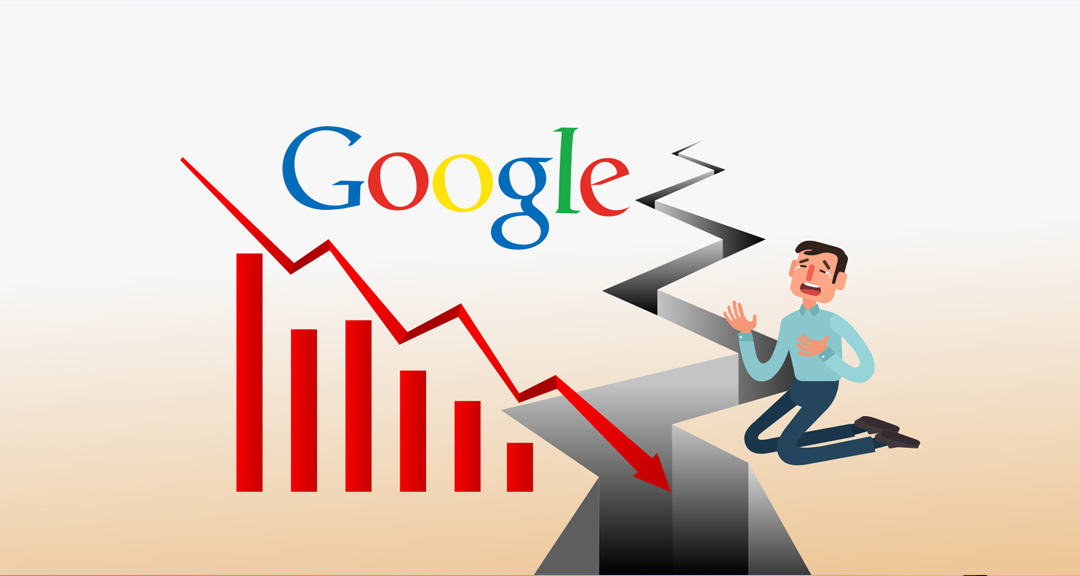
📉 2. Declining Google Rankings
Search engines constantly evolve, and in 2026, Google prioritizes:
- Fast-loading websites
- Mobile-first design
- Updated, relevant content
- Strong user experience
If your website hasn’t been updated in years, it likely fails on multiple fronts.
This results in:
- Lower rankings
- Reduced visibility
- Less organic traffic
Which means fewer people even find your clinic online.
In simple terms: if you’re not updating your website, Google is slowly pushing you out of the competition.
📱 3. Poor Mobile Experience = Missed Opportunities
Today, the majority of patients search for dentists on their phones.
If your website:
- Isn’t mobile-friendly
- Has small text or difficult navigation
- Doesn’t load properly on mobile
You’re losing a huge percentage of potential patients before they even explore your services.
A modern website must be designed mobile-first, not desktop-first.
Ignoring this shift is one of the biggest hidden costs in today’s digital landscape.
💰 4. Wasted Advertising Spend
Many dental clinics invest in Google Ads or social media campaigns to attract patients.
But here’s the problem:
If your website is outdated, that traffic doesn’t convert.
You might be paying for:
- Clicks
- Traffic
- Impressions
But not getting:
- Bookings
- Calls
- New patients
This leads to a high cost per lead and poor return on investment (ROI).
In reality, the issue isn’t your ads—it’s your website.

🧱 5. Lower Conversion Rates
Your website should guide visitors toward one clear action:
booking an appointment.
But outdated websites often:
- Lack clear call-to-action buttons
- Have confusing navigation
- Don’t offer online booking
This creates friction.
Even interested patients hesitate—and eventually leave.
A small improvement in conversion rate can lead to a significant increase in bookings. Not updating your website means missing out on this growth opportunity.
🧠 6. Weak First Impressions and Lost Trust
Your website is often the first interaction a patient has with your clinic.
And first impressions matter.
If your website:
- Looks old
- Has low-quality visuals
- Feels unprofessional
Patients may question:
- The quality of your services
- The technology you use
- The overall experience you provide
Even if your clinic is excellent, a poor website can create doubt—and doubt leads to lost patients.
📍 7. Missed Local Search Opportunities
Local search is one of the biggest drivers of new patients.
People search for:
- “Dentist near me”
- “Emergency dental clinic”
- “Best dentist nearby”
If your website isn’t updated and optimized for local SEO:
- You won’t appear in these searches
- Your competitors will take those patients
An updated website works hand-in-hand with your Google Business Profile to improve local visibility.
Without it, you’re missing high-intent traffic every day.
📝 8. Outdated Content Hurts Engagement
Patients today want information before making a decision.
They look for:
- Treatment explanations
- FAQs
- Blogs
- Before-and-after results
If your website content is outdated or minimal:
- Visitors don’t stay long
- Engagement drops
- Trust is not built
Fresh, relevant content not only improves SEO but also helps convert visitors into patients.
⚡ 9. Slow Website Speed = Instant Drop-Offs
Speed is a critical factor in both user experience and SEO.
If your website takes more than a few seconds to load:
- Users leave immediately
- Google lowers your rankings
Outdated websites often suffer from:
- Unoptimized images
- Old coding structures
- Poor hosting
Every second delay increases the chances of losing a patient.

🔄 10. Falling Behind Competitors
While many clinics delay updating their websites, others are actively investing in digital growth.
Your competitors may already have:
- Modern, high-converting websites
- Strong SEO strategies
- Optimized booking systems
This creates a widening gap.
Over time, they attract more patients, gain better visibility, and grow faster—while your clinic struggles to keep up.
🏆 What an Updated Dental Website Can Do
A modern, optimized website can:
- Increase patient bookings
- Improve Google rankings
- Enhance user experience
- Build trust instantly
- Maximize marketing ROI
It transforms your website from a passive presence into an active growth engine.
📊 The Real Cost (Putting It Together)
Let’s simplify the impact:
If your outdated website causes you to lose:
- 5 patients per week
- Average treatment value: $150
That’s:
- $3,000 per month
- $36,000 per year
And that’s a conservative estimate.
🚀 Final Takeaway
Not updating your dental website in 2026 isn’t just a minor oversight—it’s a significant business risk.
The costs are hidden but real:
- Lost patients
- Lower rankings
- Wasted ad spend
- Reduced conversions
- Missed growth opportunities
Your website should be your strongest marketing asset—not your weakest link.
If it’s not helping you grow, it’s quietly holding you back.
Want to know how much your current website might be costing you?
A quick audit can reveal the gaps—and the revenue you could be recovering.